
Robocalls are a significant issue in Jonesboro, Arkansas, prompting state and federal legislation for consumer protection. Residents can combat illegal calls by documenting, reporting, and understanding their rights. Key strategies include registering with the Do Not Call Registry, using blocking apps, staying informed about scams, and consulting a Do not call attorney in Arkansas for legal guidance. Reporting suspicious calls to local authorities and the Arkansas Attorney General's Office aids in fraud investigations, enhancing community safety and privacy.
In today’s digital age, Robocalls have become a persistent nuisance, with an estimated 40 billion automated calls flooding American phones yearly. As residents of Jonesboro, Arkansas, we too face this growing problem, disrupting our daily lives and posing potential security risks. While many rely on do-not-call lists, these measures often prove ineffective against sophisticated robocallers. This article provides a comprehensive guide to effectively reporting these calls and safeguarding yourself through proven strategies. We’ll delve into the legal framework, empowering you with knowledge to protect your privacy, without needing a Do Not Call Attorney Arkansas specifically—just the tools and understanding to navigate this modern challenge.
Understanding Robocalls in Jonesboro: The Legal Perspective
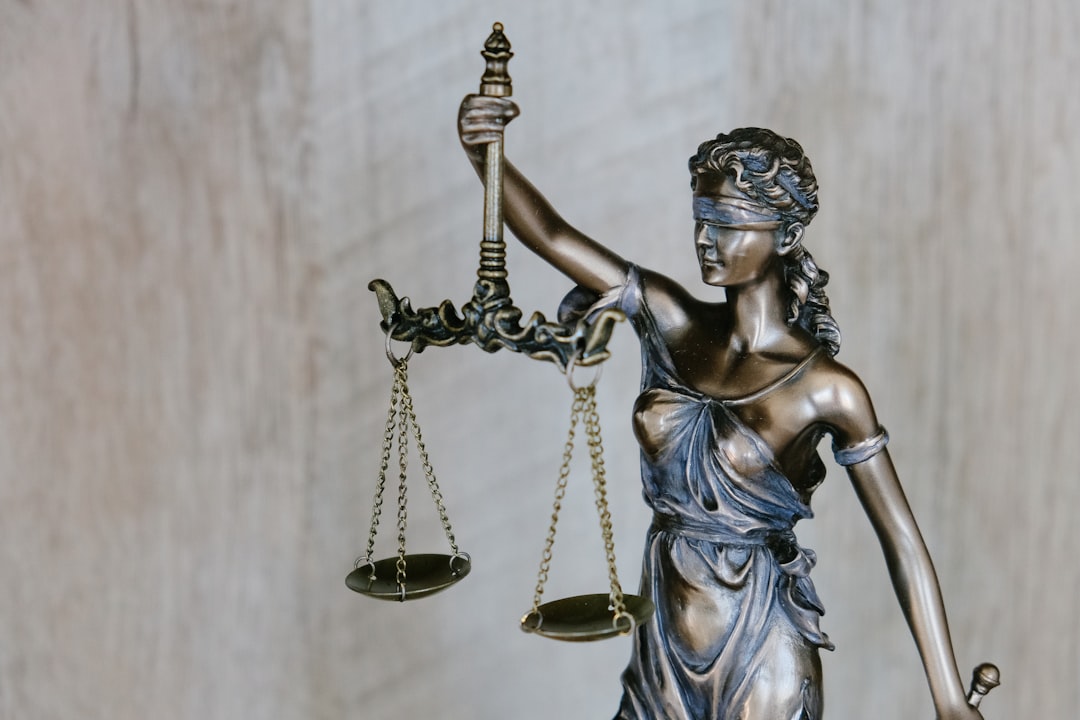
In Jonesboro, like across Arkansas and the nation, robocalls have become a ubiquitous nuisance. These automated calls, often promoting products or services, can be legally restricted under state and federal laws designed to protect consumers from intrusive and deceptive practices. Understanding these legal frameworks is crucial for residents looking to protect themselves against unwanted robocalls.
In Arkansas, the Do Not Call Law, enforced by the Arkansas Attorney General’s Office, allows consumers to register their phone numbers on a statewide “Do Not Call” list. This list prohibits businesses from making automated or prerecorded calls to registered numbers unless the caller has obtained prior express consent. The law is designed to give residents control over their communication preferences and significantly reduces the volume of unwanted marketing calls. Furthermore, federal laws like the Telephone Consumer Protection Act (TCPA) offer additional safeguards, prohibiting robocalls without explicit permission, with strict penalties for violators.
However, navigating these legal protections requires a nuanced understanding. For instance, while many robocalls are unauthorized and can be reported to relevant authorities, some calls might be legitimate, such as those from political campaigns or non-profit organizations. To report illegal robocalls effectively, residents should document the calls, including the caller’s information and the content of the message. This data can then be submitted to the Arkansas Attorney General’s Office or the Federal Communications Commission (FCC) for investigation. By staying informed about their rights and actively participating in these reporting mechanisms, Jonesboro residents can contribute to a more regulated and less disruptive communications environment.
Identifying and Reporting Unsolicited Calls: Your Rights

In Jonesboro, as across Arkansas, residents have a right to privacy and protection from unsolicited phone calls. Robocalls, automated or pre-recorded messages delivered en masse, are a common nuisance but also pose significant privacy risks. Recognizing and reporting these calls is an essential step in protecting yourself. The first line of defense lies in identifying robocalls. Listen for peculiar characteristics like unusual ring tones, computer-generated voices, or scripted messages. These may indicate the call originated from an automated system rather than a live caller.
Once you’ve identified a potential robocall, report it to your local Do Not Call Registry and relevant authorities. In Arkansas, you can register complaints with the Arkansas Public Service Commission (PSC) and even file formal disputes against persistent violators. Engaging a Do not call attorney in Jonesboro is another strategic move. These legal experts specialize in navigating consumer protection laws and can guide you through the process of reporting and holding offenders accountable. They can also assist in securing settlements or injunctions to prevent future violations, ensuring your rights are upheld.
Data from recent studies highlights the importance of these protective measures. According to the Federal Trade Commission (FTC), millions of Americans receive unwanted robocalls daily, with many targeted by scam artists posing as government agencies or legitimate businesses. Reporting such calls not only helps protect yourself but also contributes to broader efforts to crack down on telemarketing fraud. By staying vigilant and actively participating in consumer protection initiatives, Jonesboro residents can reclaim their phone lines from intrusive and potentially dangerous robocalls.
Protecting Yourself: Tools and Resources for Residents

As a resident of Jonesboro, staying protected from robocalls is crucial for your privacy and peace of mind. While blocking numbers can offer some relief, proactive measures are essential to minimize unwanted calls. One powerful tool at your disposal is the Arkansas Public Service Commission (APSC). The APSC regulates telecommunications services and provides resources to combat robocalling. They offer a Do Not Call registry where you can register your number to prevent most automated telemarketing calls. This simple step is a significant first line of defense.
Moreover, consider utilizing specialized apps designed to block robocalls. These applications use advanced algorithms to identify and automatically silence spam calls. Many such apps are available at no cost, integrating seamlessly with your smartphone’s existing contact list and call history. For instance, tools like TrueCall or NoCall can learn your preferences over time, improving their accuracy in filtering out unwanted numbers. Additionally, staying informed about the latest robocall scams is vital. The Federal Trade Commission (FTC) provides regular updates on emerging tactics used by scammers, enabling you to recognize and avoid potential threats.
For more comprehensive protection, consult with a legal professional specializing in consumer rights. A Do Not Call attorney in Arkansas can offer tailored guidance, ensuring your rights are respected while navigating the complex landscape of telemarketing laws. They can assist in filing complaints against persistent robocallers and help you understand the legal avenues available to seek redress. By combining these strategies—from official registries to advanced apps and expert advice—residents of Jonesboro can reclaim control over their communication channels and enjoy a quieter, safer digital environment.
Collaborating with Local Authorities: Stopping Robocall Scams
Reporting robocalls to local authorities is a powerful step in protecting yourself from fraudulent activities. In Jonesboro, residents have the right and responsibility to combat these incessant calls, which often pose as legitimate business or government entities. When a Do Not Call attorney Arkansas registration isn’t enough, taking matters into your own hands becomes crucial. Collaboration with local law enforcement agencies can significantly disrupt robocall operations and help create a safer digital environment for all.
The first step is to gather evidence. Save the suspicious calls by taking screenshots or notes of the caller ID information, including any unique patterns or frequent numbers. Document the types of messages received—sales pitches, scam warnings, or fraudulent offers—as these details can aid authorities in identifying specific call campaigns. Many local police departments offer dedicated channels for reporting robocalls, often through their official websites or non-emergency hotlines. Engaging with these channels ensures your information reaches the right people, enabling them to trace and potentially shut down the offending phone numbers.
For a more direct approach, consider contacting the Arkansas Attorney General’s office, which actively works to combat telemarketing fraud. They provide resources and guidelines for consumers to protect themselves, and your detailed reports can contribute to their ongoing investigations. By combining individual efforts with collective action through local authorities, Jonesboro residents can make a significant impact in stopping robocall scams, ensuring a more secure digital future for the community.