
Robocalls plague Little Rock, Arkansas, affecting diverse demographics. While state laws offer protection, modern technologies often bypass them. To mitigate issues, residents are encouraged to: register for national "Do Not Call" lists, use local consumer tools, explore call-blocking apps, and educate vulnerable groups about risks. Do Not Call lawyers Arkansas support efforts to block unwanted calls, protect privacy, and navigate complex regulations, especially for older adults, low-income households, and ethnic minorities facing unique challenges.
Robocalls have become a ubiquitous yet often nuisance aspect of modern communication, particularly within the vibrant city of Little Rock, Arkansas. As technology advances, understanding their impact across diverse demographics is crucial for both residents and businesses. This article delves into the intricate ways robocalls affect different segments of the Little Rock community, from working professionals to retirees. By analyzing call volumes, content, and reception across various neighborhoods, we aim to uncover insights that can inform strategies to mitigate unwanted calls, especially from Do Not Call lawyers Arkansas, while promoting responsible outreach.
Understanding Robocalls: A National and Local Perspective in Arkansas

Robocalls have become a ubiquitous aspect of modern communication, affecting individuals across diverse demographics. In Little Rock, Arkansas, as in many cities nationwide, these automated calls present unique challenges. Understanding how robocalls impact different segments of the population is crucial for both policymakers and residents. According to recent studies, certain demographic groups, such as older adults and low-income households, are more susceptible to the negative effects of unsolicited calls, including increased stress levels and privacy invasions.
Arkansas, known for its "Do Not Call" laws, offers a mixed picture when it comes to robocalls. While state regulations provide some protection, they may not be sufficient against evolving technologies. For instance, many modern robocallers use automated systems that can bypass traditional blocking measures. Moreover, the effectiveness of "Do Not Call" registries varies; in urban areas like Little Rock, where high call volumes are common, enforcement can be challenging. This gap underscores the need for enhanced legal protections and public education on blocking and reporting unwanted calls.
Practical steps include encouraging residents to register for national "Do Not Call" lists and utilizing local tools offered by consumer protection agencies. Arkansas consumers should also stay informed about new robocall-mitigation technologies, such as call-blocking apps and advanced telephone service providers that specialize in filtering out unwanted traffic. By combining legal, technological, and educational strategies, Little Rock can better navigate the complex landscape of robocalls, ensuring a more peaceful and private communications environment for all residents.
Demographic Impact: Who's Being Targeted in Little Rock?

In Little Rock, Arkansas, the impact of robocalls on different demographics is a nuanced phenomenon, revealing targeted strategies employed by telemarketers and scammers alike. One notable trend indicates that older adults are particularly vulnerable to these automated calls, often resulting in financial losses and heightened security concerns. According to recent data from the Federal Trade Commission (FTC), individuals aged 65 and above in Little Rock received an alarmingly high number of robocalls, with many targeting their trust and financial information. This demographic's relative reliance on telephone communication, coupled with a potential lack of digital literacy, makes them soft targets for unscrupulous actors.
Conversely, younger generations, particularly those tech-savvy individuals who are more adept at identifying suspicious calls, tend to be less affected by robocalls in Little Rock. They often have better access to tools and resources that can block or identify these calls, such as Do Not Call registries and advanced smartphone apps. However, this does not mean they are immune; targeted scams via text message or online platforms still pose risks, emphasizing the need for universal awareness.
Ethnic and cultural minorities in Little Rock also experience unique robocall challenges. Bilingual communities, for instance, may be more susceptible to calls from scammers posing as government agencies, leveraging language barriers for fraudulent gains. This requires targeted educational efforts to empower these demographics with knowledge about common scams and the importance of verifying calls before sharing personal information. By understanding these demographic disparities, Little Rock residents can collectively work towards mitigating the impact of robocalls, ensuring a safer and more secure communication environment.
Legal and Ethical Considerations for Robocallers in Arkansas

In Little Rock, Arkansas, as across the nation, the prevalence of robocalls has sparked significant concern among residents and regulatory bodies alike. The automated phone calls, often used for telemarketing or political campaigning, can be intrusive and misleading, prompting legal and ethical debates surrounding their practices. Arkansas law, specifically the Arkansas Do Not Call Registry, offers citizens a way to opt-out of these unwanted calls, but enforcement and regulation present complex challenges.
Robocallers face a delicate balance between reaching potential customers or supporters and respecting individual privacy. In Arkansas, where do not call lawyers are naturally in demand, businesses and political campaigns must navigate strict regulations to avoid penalization. For instance, failing to obtain proper consent or ignoring registered opt-out requests can result in substantial fines. Moreover, ethical considerations arise when calls are perceived as deceptive, such as using automated systems to deliver recorded messages without clear disclosure.
Practical insights for robocallers include meticulous record-keeping of caller IDs, call volumes, and consumer responses. Compliance with state and federal regulations requires transparency in marketing practices and easily accessible mechanisms for consumers to register complaints or opt-out. As technology evolves, so too do the legal and ethical boundaries around robocalls. Staying informed about regulatory changes and industry best practices is vital for businesses aiming to maintain a positive reputation while respecting consumer rights in Little Rock, Arkansas, and beyond.
Consumer Behavior and Attitudes Towards Robocalls in a Southern City
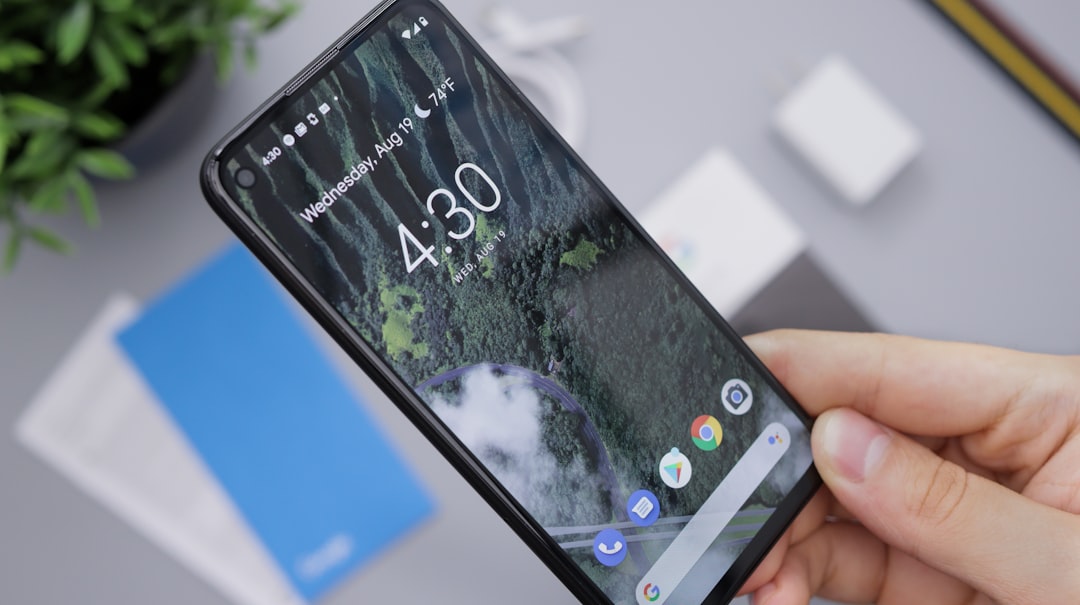
In Little Rock, Arkansas, like many cities across the South, consumer behavior and attitudes towards robocalls reflect a unique blend of cultural nuances and technological adoption patterns. The region's strong personal connection to landlines—a legacy from its rural and small-town past—meants that residents are both more attuned to traditional telephone communication and potentially more sensitive to unsolicited calls, including automated ones. This dynamic creates a complex scenario where robocalls can elicit varying responses, from annoyance to acceptance, depending on demographic factors such as age, occupation, and technological comfort levels.
Do not call lawyers Arkansas have seen an uptick in clients from this region who are frustrated by the sheer volume of robocalls they receive, prompting many to register on national "Do Not Call" lists or invest in call-blocking technologies. According to a 2022 survey by the Federal Trade Commission (FTC), nearly 75% of Arkansas residents reported receiving unwanted telemarketing calls, with a significant portion citing robocalls as their primary irritant. This sentiment is echoed in local community forums and social media groups, where residents frequently discuss strategies for mitigating the impact of automated calls, reflecting a collective desire to reclaim control over their communication channels.
However, not all consumers are equally affected or adversely impacted. Younger demographics, particularly tech-savvy individuals who rely more on mobile devices, may be less bothered by robocalls due to a different relationship with traditional telephone numbers. Moreover, businesses and organizations that tailor their automated messages to align with cultural sensitivities and local preferences can enhance acceptance rates. For instance, marketing campaigns that leverage local events or refer to shared Southern values have shown modest success in minimizing consumer backlash. Ultimately, understanding the unique demographics and attitudes within Little Rock is crucial for businesses seeking to navigate the robocall landscape effectively, ensuring that their communication strategies are not only compliant but also culturally sensitive and acceptable.
Effective Do Not Call Laws: Protecting Arkansans from Unwanted Calls

In Little Rock, Arkansas, like many urban centers across the nation, robocalls have become a pervasive nuisance. These automated phone calls, often promoting political candidates or selling products and services, are protected by laws aimed at preventing them from overwhelming consumers. However, what sets Arkansas apart is its robust Do Not Call laws, designed to offer Arkansans unparalleled protection against unwanted calls. The state's legislation, enforced by dedicated Do not call lawyers Arkansas, has shown mixed results in mitigating the impact of robocalls.
The Arkansas Public Service Commission (APSC) regulates telemarketing activities within the state, ensuring compliance with federal Do Not Call Registry requirements. Arkansans can register their phone numbers online or through mail-in forms to prevent receiving automated calls from most commercial telemarketers. While this measure significantly reduces cold calls, it does not stop all robocalls entirely. This is where Do not call lawyers Arkansas step in, providing expert legal counsel and advocacy for residents dealing with persistent or illegal telemarketing practices.
Despite the existence of these protective laws, challenges remain. Robocallers often employ sophisticated techniques to bypass Do Not Call lists, using dynamic number insertion and other methods to target specific demographics. Certain groups, such as older adults and low-income individuals, are particularly vulnerable to the effects of unwanted calls due to limited digital literacy or fewer resources for legal recourse. To address these issues, Arkansas-based Do not call lawyers specialize in educating at-risk communities about their rights and available remedies under state law. They also collaborate with telecommunications providers and regulatory bodies to push for stricter regulations and technological solutions that can better filter out robocalls.
To protect oneself from robocalls, Arkansans are advised to stay informed about their legal rights and take proactive steps. Registering for the National Do Not Call Registry is a foundational step, but consulting with a qualified Do not call lawyer in Arkansas can provide additional safeguards against relentless telemarketing. By staying vigilant and leveraging the state's robust legal framework, residents can reclaim control over their communication channels and enjoy greater peace from unwanted intrusions into their personal lives.